Me canso de falar do multiculturalismo. Durante meu tempo aqui, como gringa, é claro que tiveesse ficado pensando em as "diferenças culturais" e sobre o multiculturalismo que existe no Brasil. É um asunto discutido tanto que às vezes fico chateada, mas ainda é um asunto importante.
O turismo tem vários lados. Estou querendo saber: O que faz a diferença entre uma turista e um viajante? Se morasse no Brasil pelo resto da minha vida ainda seria gringa. Muitas vezes sinto falso, como uma turista em disfarce; querendo assistir todo que é o cotidiano prós nativos como espectáculo, querendo tirar foto das coisas insignificantes do cenário ou do povo desconhecido. Vários pessoas me perguntou "por que quereria vir aqui?" Achando; que estranho, uma pessoa quem quere morar tão longe da família, dos amigos, da familiaridade. Fico pensando em por que fiz… para que puder falar que sobrevivia? Para mostrar fotos tirados como trofeus ganhados? O dinheiro da o privilegio a entrar num país estrangeiro, uma coisa que a maioria do país nem pensaria em fazer.
Estou com muito sorte tivesse conhecido com amigos aqui, Brasileiros e Americanos. É eles que vou lembrar mais, que faz a diferença entre tirando fotos e morando o cotidiano. Que bom que quando estou com eles possa esquecer as diferenças culturais e morar só no presente, sem comparar as detalhes do momento com o passado e sem ter expectações pro futuro.
I'm getting really tired of talking about multiculturalism. During my time here, as a gringo, of course I have gotten to thinking about "cultural differences" and about the multicultural society that is Brasil. It is a topic that is discussed so much sometimes I get annoyed, but it is talked about so much for a good reason.
Tourism has a lot of different sides. What is the difference between a tourist and a traveler? If I lived in Brasil for the rest of my life I would still be a gringo. A lot of the time I feel fake, like a tourist in disguise; wanting to watch everything that is the everyday like it's a show, wanting to take photos of insignificant things in the scenery or of people doing normal everyday things. People have asked me "why would you want to come here?" Thinking, how weird that a person that someone would want to live so far away from their family, friends and everything familiar. Got to thinking about why I did it… so I could say that I survived? So I could show photos I took like trophies I won? Money gives the privilege to drop into a foreign country like an alien from another planet, just for the lessons to be learned from doing so, which is something that would never occur to the citizens of that place because they are totally consumed with survival.
I am really lucky to have met friends here, Brasilians and Americans. I will remember them the most, they are what make the difference between taking pictures and living the everyday. Finally when I am with them I can forget cultural differences and live only in the present, without comparing the details of the moment with my country in the past or having expectations for this country in the future.
Thursday, October 20, 2011

Sunday, October 16, 2011
Antropofágia
The Post Office is working again!
The Graffiti of Eder Muniz


 Antropofagy is to eat that which comes from outside in order to transform it into a work unique to the individual. It is to assume the contemporary technique of European influence to express experiences distinctly Brasilian. That is, the experience of oppression and massacre suffered by the indigenous peoples of America, and the experience of forced assimilation and abuse suffered by the peoples of the various tribes of Africa during slavery. Neither the Indians or Africans had the same level of written language as Europeans perceived themselves to have; instead these peoples depended more upon oral tradition to express and remember. Brasilian authors use in the Portuguese language and technique in the European contemporary tradition to express a distinct soul that has been defined and discovered after centuries of oppression.
Gregório de Mattos Guerra was the first author to "cannibalize" the European form and language. Although he used the traditional structure of the catholic sonnets, he criticized the system and structure of the Portuguese government, church, social structure and sexuality in his satirical poems.
Later, in 1928, Oswalde de Andrade presented the Anthropofagite Manifesto in the Semana de Arte Moderna, which named and defined the term Antropofágia. There is a very famous painting by Tarsila do Amaral called Antropofagia which illustrated Oswaldes' Manifesto.
Laura de Mello, a Brasilian scholar, discusses the various reactions of the Portuguese explorers when they encountered the indigenous Americans. Like a part of nature, the "Indians" were free, wild, exotic… Although Europeans were so fascinated with the indigenous populations, they still considered them to be ignorant animals that needed to be saved from the inferno of hell. Unfortunately this evangelism was usually used to justify the exploitation of the indigenous population.
The Americas were initially considered to be the paradise on earth that the Portuguese had been searching for. This "terrestrial paradise" already existed in the European imagination even before the discovery of the "New World." I imagine it was necessary to invent the existence of a better place on earth as living conditions were not looking so good in Europe at the time. After seeing the cannibalism and the human heads on sticks in the indigenous villages, it appeared that this new paradise had a dark side as well. Roughly translated from Laura de Mellos' work: "both components of the mental universe, one is never isolated from the other, maintaining between them a relation constant and contradictory; in the divine realm God does not exist without the Devil; in the world of nature, terrestrial paradise does not exist without hell; in men alternates virtue and sin" (Mello 29).
I, as a gringa arriving in the jungle, have had a similar experience and reaction to Brasil as that of the Portuguese.
It is so incredible to travel here. Simply to board the plane, walk through the airport, is an experience exclusive to people with time, money, and open mind available to travel.
The strangest thing I observed in Rio was the work done by the "tour guides." Specifically, the guides who advertise in the hostels to take travelers to bars and clubs for a set price (fortunately did not have to stay in a hostel!) Their work can include helping drunk students bar hop, introducing executives and businessmen to women and prostitutes and sometimes translating so their clients can flirt with Brasilians. The guides choose the bars and clubs, if it is a good guide it is possible to get into the VIP section of a club and meet a lot of women, if it is a bad guide one may end up going to a shady park shelter to drink cheap beer and wine. This kind of work comes with the sacrifice of the personal life of the guide; the guide always has to go out with strangers and usually cannot go out for a night with their own friends. I think it would be really annoying to hang out with drunk strangers, but these guides make really good money off of all sorts of gringos.
The baile funk also works the same way; although it is a show for the people of the favela, it is also an attraction for the gringo or the Brasilian who lives outside of the favela. The street bar venders, of beer and liquor, the moto-taxis, and the thieves all win when those from outside come to the favela for a baile funk. Probably the more authentic funks, those of the people in the favela, are far from the center of the city, in the periphery where no one knows or wants to go. Those which are close have a certain infamy and I think that there they exist to take advantage of the infamy they have gained. As a gringa in the favela I am tolerated because I bring resources for the people there to survive. It is a novelty, to say after that "yea, I went to a funk in the favela,…" but in the end I am even more of a tourist. To understand the sound of a baile funk one must live there. The sound of a funk is addictive, it is the sound of sex and the euphoria of drugs and death. There are many children passing by carrying machine guns. They are the drug traffickers and the kings. Not one was older than 20. They die young in the drug wars or from doing the drugs they sell. The favela hangs onto a cliff always on the point of falling into the abyss, into the ocean at the depths of the cliff on which is the favela Vidigal. The women of the mototaxistas watch their men from a bar, while their men pass by up and down the mountain they call out to them every time.
How horrible to think about the students I am teaching in Lobato, in their futures becoming this way. From day to night. Right now they have so much potential, more than they know, but this addictive sound will turn their natural intelligence into cannibalisim; if they have to they will kill and eat each other to survive, simple and thoughtless violence. Why spend time and energy to learn things one will never have the opportunity to use? They will turn into bodies to be sold, overworked hands, mouths dying of hunger. It destroys me to think about this. After I heard the sound of a funk I understand a little more what violence, abuse, and death may feel like.
During the day, Ipanema stretches out golden.
I loved the people I stayed with this past week in Rio. I felt at home, nothing could be a bad time while we were together, how amazing to cook, eat and drink together. This is the part of the trip I will never forget. I didn't speak Português very much, but I liked to feel the security and familiarity of my own language.


A igreja do Dom Pedro II no Petrópolis (King Don Pedro IIs' church in Petrópolis, in the state of Rio de Janeiro)


Dentro da igreja do estado do Rio de Janeiro (inside of the state church of Rio de Janeiro)


Rio de Janeiro: O Jesus, de noite


The Graffiti of Eder Muniz


Antropofágia
A antropofágia brasileira é "comer" as obras artísticas que vem da fora, para transformar em obras únicas brasileiras. É assumir a "técnica contemporânea" que vem da europa para expressar experiências distíntas brasileiras. O asunto comúm nestas experiências distíntas primeiramente foi a exploitação; das indígenas e de todos os tribos da Africa pela escravidão. As indígenas nem os negros tinham língua escrita tanto desenvolvida como os portuguêses; se-expressaram pelas tradições orais. Os autores brasileiros se tratam na língua portuguesa, na tradição europeia, sobre a gente brasileira que está definindo e descobrindo uma identidade distínta depois de centos de anos de opressão.
Gregório de Mattos Guerra foi o primeiro autor a "canabalizar" as técnicas literarias europeias, como a tradição do soneto católico. Mesmo que ele usava estas técnicas, ele as usou para criticar à sistema e infrustructura do governo, igreja, estrutura social e a sexualidade pelas poemas satíricas.
Logo Owalde de Andrade apresentou O Antropofagite Manifesto na semana de arte moderna no século 21.
Laura de Mello discute o descobrimento do Brasil, e as reações dos europeus depois do descobrimento que seja posîvel que exista um outro lado do "paraíso na terra." Na época, a econômia nos países Europeus estava tornando muito difícil, e a parte da meta dos cronistas e viajantes era encontrar terra onde poderia começar de novo. O paraíso terrestral já existia antes que foi descoberto; existia no imaginário europeu e era prometido pela igreja Católica.
"Componentes do universo mental, nunca estiveram isolados uns dos outros, mantendo entre si uma realção constante e contraditória: na esfera divina, não existe Deus sem o Diabo; no mundo da natureza, não existe Paraíso Terrestre sem Inferno; entre os homems alternam-se virtude e pecado" (Mello 29).
Como europeia chegando no Brasil, na selva, tenho tido uma experiência/reacção parecido aos Portuguêses.
Que incrível para viajar aquí. Só para entrar no avião, no aeroporto, é uma experiência exclusive as pessoas com tempo, dinheiro, e cabeça disponível para viajar. O trabalho mais esquisito que observei no Rio foi o trabalho das "guias turísticas." Especificamente, as guias quem advertem nos albergues a levar estrangeiros para bares e clubes para um preço fixo. O trabalho deles pode incluir a ajuda dos estudantes muito bêbedos a sair para o próximo bar, a introduzir executivos e empresários às mulheres brasileiras e às vezes a traduzir para que os clientes estrangeiros possam paquerar com brasileiros. As guias escolhem os bares e clubes, se é bom guia seja possível entrar num clube como VIP, se é mal guia ele te leve pra um parque escuro para beber. Este tipo de trabalho vem com o sacrifício da vida pessoal da guia; ele sempre tiver sair com estrangeiro e não com os amigos próprios. Quando as clientes ficarem bêbedas acho que o trabalho seria muito irritante e cansativo. Mais, se pode ganhar bem dinheiro de pessoas ignorantes e desconhecidas com a cidade.
A baile funk também funciona como assim; mesmo que seja um espectáculo pra o povo, também seja atracão pro gringo ou brasileiro que more fora da favela. Os vendedores no bar, os moto-taxistas, os ladrões e todo asociado com o funk ganham quando vem os quem moram fora da favela pra um baile funk. Pode ser que os funks autênticos, do povo, fiquem fora do centro da cidade na periferia. As mais pertinho tem uma certa infama, e acho que aí os funks existam para aproveitar a reputação que tivessem ganhado. Como gringa na favela sou tolerada porque dou para as pessoas lá sobreviver. É uma novidade, pra turista como eu, dizer depois que "sim, foi pra um funk na favela, foi perigoso, etc…" mas no fim sou ainda mais uma turista. Para entender o som de um funk tem que morar lá. O som de um funk é viciante, é o som de sexo, da euforia das drogas e de morte. Lá passam várias crianças levando tua espingarda. Eles são os traficantes e os reis. Nenhum tinha mais que 20 anos de idade. Eles morrem bem jovem, nas guerras ou do uso das drogas que vendem. As mulheres dos mototaxistas assistam seus homens do bar, enquanto eles passam subindo e descendo a ladeira da favela. Elas gritam cada vez que passa seu homem.
Que horrível pensar nas estudantes com que conheci no Lobato, no futuro deles tornando assim. De dia à noite. Agora todos tem tanto potencial, mais que se sabem, mas esse som viciante trocará esta inteligência natural em só vontade de antropofágia; canibalizar e deglutir um ao outro para sobreviver, sem a motivação a desenvolver mais. Por que gastar tempo e energia pra aprender coisas que nunca tiver a oportunidade a usar? Eles vai tornar em corpos para ser vendidos, eles vai tornar em mãos bastante cansadas, vai tornar em bocas morrendo de fome. Me destrôe pensar nisso. Depois de ouvir o som do funk entendi mais como sen a violência, a abusa e a morte.
De dia o praia da Ipanema se estica, feito de ouro.
Adorei as pessoas com quem conheci durante esta semana. Senti em casa com eles imediatamente, nunca ficávamos mal enquanto estávamos juntos. Que bom cozinhar, comer e beber juntos. Não falava o Português tanto como no Salvador, mas gostava de sentir a seguridade e afamiliaridade da minha própria língua.
A antropofágia brasileira é "comer" as obras artísticas que vem da fora, para transformar em obras únicas brasileiras. É assumir a "técnica contemporânea" que vem da europa para expressar experiências distíntas brasileiras. O asunto comúm nestas experiências distíntas primeiramente foi a exploitação; das indígenas e de todos os tribos da Africa pela escravidão. As indígenas nem os negros tinham língua escrita tanto desenvolvida como os portuguêses; se-expressaram pelas tradições orais. Os autores brasileiros se tratam na língua portuguesa, na tradição europeia, sobre a gente brasileira que está definindo e descobrindo uma identidade distínta depois de centos de anos de opressão.
Gregório de Mattos Guerra foi o primeiro autor a "canabalizar" as técnicas literarias europeias, como a tradição do soneto católico. Mesmo que ele usava estas técnicas, ele as usou para criticar à sistema e infrustructura do governo, igreja, estrutura social e a sexualidade pelas poemas satíricas.
Logo Owalde de Andrade apresentou O Antropofagite Manifesto na semana de arte moderna no século 21.
Laura de Mello discute o descobrimento do Brasil, e as reações dos europeus depois do descobrimento que seja posîvel que exista um outro lado do "paraíso na terra." Na época, a econômia nos países Europeus estava tornando muito difícil, e a parte da meta dos cronistas e viajantes era encontrar terra onde poderia começar de novo. O paraíso terrestral já existia antes que foi descoberto; existia no imaginário europeu e era prometido pela igreja Católica.
"Componentes do universo mental, nunca estiveram isolados uns dos outros, mantendo entre si uma realção constante e contraditória: na esfera divina, não existe Deus sem o Diabo; no mundo da natureza, não existe Paraíso Terrestre sem Inferno; entre os homems alternam-se virtude e pecado" (Mello 29).
Como europeia chegando no Brasil, na selva, tenho tido uma experiência/reacção parecido aos Portuguêses.
Que incrível para viajar aquí. Só para entrar no avião, no aeroporto, é uma experiência exclusive as pessoas com tempo, dinheiro, e cabeça disponível para viajar. O trabalho mais esquisito que observei no Rio foi o trabalho das "guias turísticas." Especificamente, as guias quem advertem nos albergues a levar estrangeiros para bares e clubes para um preço fixo. O trabalho deles pode incluir a ajuda dos estudantes muito bêbedos a sair para o próximo bar, a introduzir executivos e empresários às mulheres brasileiras e às vezes a traduzir para que os clientes estrangeiros possam paquerar com brasileiros. As guias escolhem os bares e clubes, se é bom guia seja possível entrar num clube como VIP, se é mal guia ele te leve pra um parque escuro para beber. Este tipo de trabalho vem com o sacrifício da vida pessoal da guia; ele sempre tiver sair com estrangeiro e não com os amigos próprios. Quando as clientes ficarem bêbedas acho que o trabalho seria muito irritante e cansativo. Mais, se pode ganhar bem dinheiro de pessoas ignorantes e desconhecidas com a cidade.
A baile funk também funciona como assim; mesmo que seja um espectáculo pra o povo, também seja atracão pro gringo ou brasileiro que more fora da favela. Os vendedores no bar, os moto-taxistas, os ladrões e todo asociado com o funk ganham quando vem os quem moram fora da favela pra um baile funk. Pode ser que os funks autênticos, do povo, fiquem fora do centro da cidade na periferia. As mais pertinho tem uma certa infama, e acho que aí os funks existam para aproveitar a reputação que tivessem ganhado. Como gringa na favela sou tolerada porque dou para as pessoas lá sobreviver. É uma novidade, pra turista como eu, dizer depois que "sim, foi pra um funk na favela, foi perigoso, etc…" mas no fim sou ainda mais uma turista. Para entender o som de um funk tem que morar lá. O som de um funk é viciante, é o som de sexo, da euforia das drogas e de morte. Lá passam várias crianças levando tua espingarda. Eles são os traficantes e os reis. Nenhum tinha mais que 20 anos de idade. Eles morrem bem jovem, nas guerras ou do uso das drogas que vendem. As mulheres dos mototaxistas assistam seus homens do bar, enquanto eles passam subindo e descendo a ladeira da favela. Elas gritam cada vez que passa seu homem.
Que horrível pensar nas estudantes com que conheci no Lobato, no futuro deles tornando assim. De dia à noite. Agora todos tem tanto potencial, mais que se sabem, mas esse som viciante trocará esta inteligência natural em só vontade de antropofágia; canibalizar e deglutir um ao outro para sobreviver, sem a motivação a desenvolver mais. Por que gastar tempo e energia pra aprender coisas que nunca tiver a oportunidade a usar? Eles vai tornar em corpos para ser vendidos, eles vai tornar em mãos bastante cansadas, vai tornar em bocas morrendo de fome. Me destrôe pensar nisso. Depois de ouvir o som do funk entendi mais como sen a violência, a abusa e a morte.
De dia o praia da Ipanema se estica, feito de ouro.
Adorei as pessoas com quem conheci durante esta semana. Senti em casa com eles imediatamente, nunca ficávamos mal enquanto estávamos juntos. Que bom cozinhar, comer e beber juntos. Não falava o Português tanto como no Salvador, mas gostava de sentir a seguridade e afamiliaridade da minha própria língua.

Antropofagia: Tarsila do Amaral 1922
Gregório de Mattos Guerra was the first author to "cannibalize" the European form and language. Although he used the traditional structure of the catholic sonnets, he criticized the system and structure of the Portuguese government, church, social structure and sexuality in his satirical poems.
Later, in 1928, Oswalde de Andrade presented the Anthropofagite Manifesto in the Semana de Arte Moderna, which named and defined the term Antropofágia. There is a very famous painting by Tarsila do Amaral called Antropofagia which illustrated Oswaldes' Manifesto.
Laura de Mello, a Brasilian scholar, discusses the various reactions of the Portuguese explorers when they encountered the indigenous Americans. Like a part of nature, the "Indians" were free, wild, exotic… Although Europeans were so fascinated with the indigenous populations, they still considered them to be ignorant animals that needed to be saved from the inferno of hell. Unfortunately this evangelism was usually used to justify the exploitation of the indigenous population.
The Americas were initially considered to be the paradise on earth that the Portuguese had been searching for. This "terrestrial paradise" already existed in the European imagination even before the discovery of the "New World." I imagine it was necessary to invent the existence of a better place on earth as living conditions were not looking so good in Europe at the time. After seeing the cannibalism and the human heads on sticks in the indigenous villages, it appeared that this new paradise had a dark side as well. Roughly translated from Laura de Mellos' work: "both components of the mental universe, one is never isolated from the other, maintaining between them a relation constant and contradictory; in the divine realm God does not exist without the Devil; in the world of nature, terrestrial paradise does not exist without hell; in men alternates virtue and sin" (Mello 29).
I, as a gringa arriving in the jungle, have had a similar experience and reaction to Brasil as that of the Portuguese.
It is so incredible to travel here. Simply to board the plane, walk through the airport, is an experience exclusive to people with time, money, and open mind available to travel.
The strangest thing I observed in Rio was the work done by the "tour guides." Specifically, the guides who advertise in the hostels to take travelers to bars and clubs for a set price (fortunately did not have to stay in a hostel!) Their work can include helping drunk students bar hop, introducing executives and businessmen to women and prostitutes and sometimes translating so their clients can flirt with Brasilians. The guides choose the bars and clubs, if it is a good guide it is possible to get into the VIP section of a club and meet a lot of women, if it is a bad guide one may end up going to a shady park shelter to drink cheap beer and wine. This kind of work comes with the sacrifice of the personal life of the guide; the guide always has to go out with strangers and usually cannot go out for a night with their own friends. I think it would be really annoying to hang out with drunk strangers, but these guides make really good money off of all sorts of gringos.
The baile funk also works the same way; although it is a show for the people of the favela, it is also an attraction for the gringo or the Brasilian who lives outside of the favela. The street bar venders, of beer and liquor, the moto-taxis, and the thieves all win when those from outside come to the favela for a baile funk. Probably the more authentic funks, those of the people in the favela, are far from the center of the city, in the periphery where no one knows or wants to go. Those which are close have a certain infamy and I think that there they exist to take advantage of the infamy they have gained. As a gringa in the favela I am tolerated because I bring resources for the people there to survive. It is a novelty, to say after that "yea, I went to a funk in the favela,…" but in the end I am even more of a tourist. To understand the sound of a baile funk one must live there. The sound of a funk is addictive, it is the sound of sex and the euphoria of drugs and death. There are many children passing by carrying machine guns. They are the drug traffickers and the kings. Not one was older than 20. They die young in the drug wars or from doing the drugs they sell. The favela hangs onto a cliff always on the point of falling into the abyss, into the ocean at the depths of the cliff on which is the favela Vidigal. The women of the mototaxistas watch their men from a bar, while their men pass by up and down the mountain they call out to them every time.
How horrible to think about the students I am teaching in Lobato, in their futures becoming this way. From day to night. Right now they have so much potential, more than they know, but this addictive sound will turn their natural intelligence into cannibalisim; if they have to they will kill and eat each other to survive, simple and thoughtless violence. Why spend time and energy to learn things one will never have the opportunity to use? They will turn into bodies to be sold, overworked hands, mouths dying of hunger. It destroys me to think about this. After I heard the sound of a funk I understand a little more what violence, abuse, and death may feel like.
During the day, Ipanema stretches out golden.
I loved the people I stayed with this past week in Rio. I felt at home, nothing could be a bad time while we were together, how amazing to cook, eat and drink together. This is the part of the trip I will never forget. I didn't speak Português very much, but I liked to feel the security and familiarity of my own language.
Em Salvador: O cemetário e os predios (cemetary and apartments in Salvador)

O cemetário, a favela, e os predios (cemetary, favela, apartments)


A igreja do Dom Pedro II no Petrópolis (King Don Pedro IIs' church in Petrópolis, in the state of Rio de Janeiro)

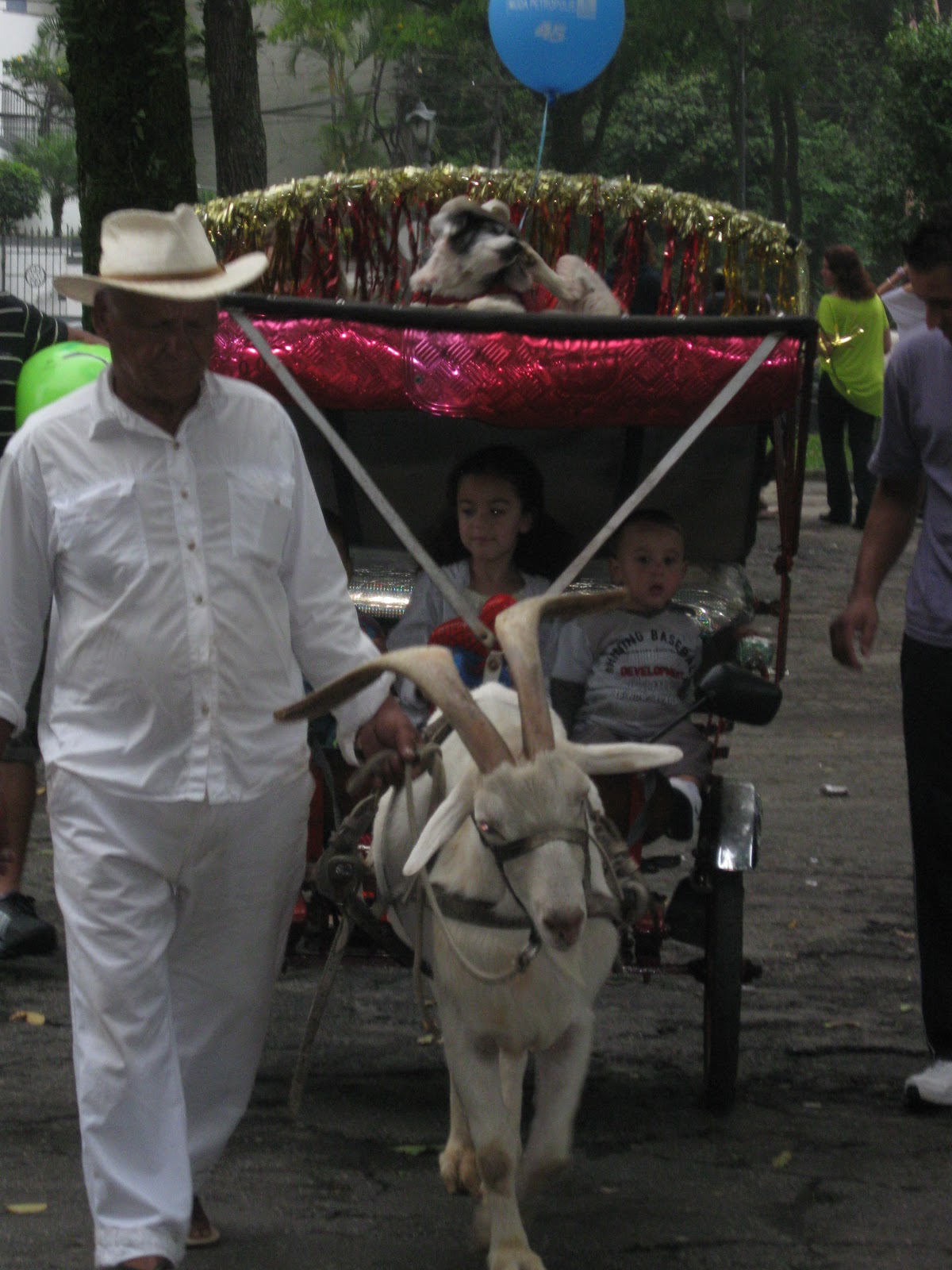
Dentro da igreja do estado do Rio de Janeiro (inside of the state church of Rio de Janeiro)


Rio de Janeiro: O Jesus, de noite


Meu primeiro Feijoada Completa: Black beans with sausage, meat, onions, garlic, orange peel, with fried rice, oranges, and cilantro

Amigos Jess, Carina, Daniel, em frente do posto 8 (note a bandeira de arco-iris)

Sunday, September 18, 2011
18 de Setembro
Sorry, for the parts that are repeated in some of the letters I sent out... unfortunately the letters might never get there anyways. The Salvador post office will be on strike for an indefinite amount of time...


É difícil descrever Salvador, mas vou tentar. Salvador é como olhando pelos fundos de uma garrafa suja de vidrio azul; o mundo fica distorcido, linda, e brilhante, mas sempre existe uma escuridade que obscura… o sol sempre é brilhante mas é um tipo de sol escuro. É por isso que estou tão atraído desta cidade, ha algo na beleza mutada que acho irresistível. O sol é a praia, o mar, a beber cerveja nas mesas plásticas, e o escuro é a criança de 8 anos que está se vendendo a cerveja para que ele pode comprar drogas. O escuro e ser asaltado com uma garrafa de vidrio quebrado, as 2 da tarde, e o escuro é os bichos de pê. Estou tão atraído à esta cidade mas é um lugar abusivo para me morar. Sou bastante sensitiva. Ainda, estou encantada.
Por que estou aqui? O que estou fazendo aqui? Não tenho muito para oferecer às pessoas quem moram aqui. De onde vem a violência?
Violência é ensinado, gerado, imitado? Nunca entendi de onde vem, até agora. Vem da pobreza, que é as horas de desempregado, a falta de educação. É as horas vazios de televisão, é as moscas comendo a fruta podre. Ninguém para ensinar como se auto-educar, como questionar se seja algo fora deste mundo das horas sem marca. A violência é a energia sem fim, o desejo viver. Lembro sentindo na sofa com a menina gravida, esperando para algo acontecer. Todo mundo sentado em frente do TV, olhando inexpressivamente pela janela do ónibus ao homem deitado na rua coberto com bolsa de plástica olhando inexpressivamente a agulha no mão que é também tão longe como as crianças na televisão sentado com latas queimadas e isqueiros vazios. A barriga cheio de pão, bolo e farofa, sonolento com aborrecimento, crianças desesperados para açúcar como formigas.
O desejo a lançar esta energia é a motivação pelos grupos culturais como Artes Conscientes, Baguncaço e Siloé. O que pensam de mim? Sei que querem saber o que vou fazer, lá, para eles. O que tenho para lhes oferecer? Apenas dinheiro, poucos recursos e a minha amizade. Estou com tanto sorte, para estar aqui. Privilegio não deve vir com culpa ou aborrecimento.
It is really hard to describe or summarize what Salvador is like, but I am going to try. Salvador is like looking through the bottom of a dirty blue glass bottle; the world is distorted and beautiful and shiny, but there is always a darkness that obscures… the sun is always shining brightly but it is a dark kind of sunlight. I am very attracted to this city for that reason, there is something about mutated beauty that I find irresistible. The sunlight is the beach, the ocean, drinking light beer at plastic tables and the darkness is the cracked out 8 year old selling it to you. The darkness is being assaulted with a broken glass bottle at 2 in the afternoon, and it is the bugs that enter through the bottom of your feet if one walks barefoot and tunnel through your skin up your legs toward your heart. Coming to Salvador for two weeks is a vacation, but living here is making me go crazy. I am so attracted to this city but it is an abusive place for someone like me to live. I am too sensitive. But I can't help but be in love.
Why am I here? What am I doing here? What am I learning? I don't have much to offer to those who live here. Where does violence come from?
Violence is taught, bred, imitated? Hours of unemployment, lack of education, endless, empty time. Empty endless hours of TV and flies and fruit. To teach how to self-educate, to question if there is something outside of this world of unmarked hours. Endless energy, desire to live, I remember sitting on the sofa with the pregnant girl, waiting for something to happen. The whole world is sitting in front of the TV, staring blankly through the window of the bus a the man on the street covered with a plastic bag who is staring blankly at the needle in his uplifted hand that is also as far away as the children on the TV lined up against a plywood wall with burned up coke cans and empty lighters. Belly full of bread and cake and farofa, drowsy with boredom, children desperate for sugar like ants.
The desire to release this energy motivates "grupos culturais" like Artes Conscientes, Baguncaço, Siloé. What do they think of me when I go there to volunteer? I know that they want to know what I am going to do for them. What do I have to offer? Money. Resources, friendship. I am so lucky, to be here. Privilege shouldn't come with guilt or boredom.
I have discovered that poverty is also stagnancy. I always assumed that those struggling from day to day to survive would be running around frantically like ants, and many do. But there is a emptinesss of mind, a vacancy of expression, lack of empathy or compassion, where violence begins.
In the stillness of my time here I have been able to observe the restlessness of an unoccupied mind. Fortunately I have already learned how to self-educate, observe, feed my mind. Maybe that is all I have to offer here.
Beija-mim


É difícil descrever Salvador, mas vou tentar. Salvador é como olhando pelos fundos de uma garrafa suja de vidrio azul; o mundo fica distorcido, linda, e brilhante, mas sempre existe uma escuridade que obscura… o sol sempre é brilhante mas é um tipo de sol escuro. É por isso que estou tão atraído desta cidade, ha algo na beleza mutada que acho irresistível. O sol é a praia, o mar, a beber cerveja nas mesas plásticas, e o escuro é a criança de 8 anos que está se vendendo a cerveja para que ele pode comprar drogas. O escuro e ser asaltado com uma garrafa de vidrio quebrado, as 2 da tarde, e o escuro é os bichos de pê. Estou tão atraído à esta cidade mas é um lugar abusivo para me morar. Sou bastante sensitiva. Ainda, estou encantada.
Por que estou aqui? O que estou fazendo aqui? Não tenho muito para oferecer às pessoas quem moram aqui. De onde vem a violência?
Violência é ensinado, gerado, imitado? Nunca entendi de onde vem, até agora. Vem da pobreza, que é as horas de desempregado, a falta de educação. É as horas vazios de televisão, é as moscas comendo a fruta podre. Ninguém para ensinar como se auto-educar, como questionar se seja algo fora deste mundo das horas sem marca. A violência é a energia sem fim, o desejo viver. Lembro sentindo na sofa com a menina gravida, esperando para algo acontecer. Todo mundo sentado em frente do TV, olhando inexpressivamente pela janela do ónibus ao homem deitado na rua coberto com bolsa de plástica olhando inexpressivamente a agulha no mão que é também tão longe como as crianças na televisão sentado com latas queimadas e isqueiros vazios. A barriga cheio de pão, bolo e farofa, sonolento com aborrecimento, crianças desesperados para açúcar como formigas.
O desejo a lançar esta energia é a motivação pelos grupos culturais como Artes Conscientes, Baguncaço e Siloé. O que pensam de mim? Sei que querem saber o que vou fazer, lá, para eles. O que tenho para lhes oferecer? Apenas dinheiro, poucos recursos e a minha amizade. Estou com tanto sorte, para estar aqui. Privilegio não deve vir com culpa ou aborrecimento.
It is really hard to describe or summarize what Salvador is like, but I am going to try. Salvador is like looking through the bottom of a dirty blue glass bottle; the world is distorted and beautiful and shiny, but there is always a darkness that obscures… the sun is always shining brightly but it is a dark kind of sunlight. I am very attracted to this city for that reason, there is something about mutated beauty that I find irresistible. The sunlight is the beach, the ocean, drinking light beer at plastic tables and the darkness is the cracked out 8 year old selling it to you. The darkness is being assaulted with a broken glass bottle at 2 in the afternoon, and it is the bugs that enter through the bottom of your feet if one walks barefoot and tunnel through your skin up your legs toward your heart. Coming to Salvador for two weeks is a vacation, but living here is making me go crazy. I am so attracted to this city but it is an abusive place for someone like me to live. I am too sensitive. But I can't help but be in love.
Why am I here? What am I doing here? What am I learning? I don't have much to offer to those who live here. Where does violence come from?
Violence is taught, bred, imitated? Hours of unemployment, lack of education, endless, empty time. Empty endless hours of TV and flies and fruit. To teach how to self-educate, to question if there is something outside of this world of unmarked hours. Endless energy, desire to live, I remember sitting on the sofa with the pregnant girl, waiting for something to happen. The whole world is sitting in front of the TV, staring blankly through the window of the bus a the man on the street covered with a plastic bag who is staring blankly at the needle in his uplifted hand that is also as far away as the children on the TV lined up against a plywood wall with burned up coke cans and empty lighters. Belly full of bread and cake and farofa, drowsy with boredom, children desperate for sugar like ants.
The desire to release this energy motivates "grupos culturais" like Artes Conscientes, Baguncaço, Siloé. What do they think of me when I go there to volunteer? I know that they want to know what I am going to do for them. What do I have to offer? Money. Resources, friendship. I am so lucky, to be here. Privilege shouldn't come with guilt or boredom.
I have discovered that poverty is also stagnancy. I always assumed that those struggling from day to day to survive would be running around frantically like ants, and many do. But there is a emptinesss of mind, a vacancy of expression, lack of empathy or compassion, where violence begins.
In the stillness of my time here I have been able to observe the restlessness of an unoccupied mind. Fortunately I have already learned how to self-educate, observe, feed my mind. Maybe that is all I have to offer here.
Beija-mim

Thursday, September 8, 2011
8 de Setembro; all in English!
It is hard to write eloquently when trying to make comparisons between the US and Brasil. In reality I know little about Brasil because I haven't lived here long enough for it to form its own identity/space in my brain. The only way I can understand what I don't know is by trying to compare it to what I do know, the US. Unfortunately, I am starting to get tired of always comparing. My life here and the way I am here needs to become separated in my head so I can truly appreciate just being in one place. Its' kind of like trying to compare ex-boyfriends; you loved each one for a different reason and it is unfair to say which you loved more or which was better. Eventually I hope to live here without comparing and evaluating everything I do with the US in mind. Being non judgmental enables more profound experiences to happen because one remains open.
The kids to whom me, my friend Carolina, and Matt teach English are incredible! Every single student shows up to every class, and they all want to learn so badly. Any one of them is more motivated than many U of O students. Their neighborhood seems like it is pretty bad. At this point I think what is most important is that I show up consistently for them, to demonstrate that someone from "outside" notices, cares, and wants to help. This makes me want to work really hard to deliver a good class, kind of like ELP. Still, I know I am learning much more from them than I will ever be able to teach.
The kids to whom me, my friend Carolina, and Matt teach English are incredible! Every single student shows up to every class, and they all want to learn so badly. Any one of them is more motivated than many U of O students. Their neighborhood seems like it is pretty bad. At this point I think what is most important is that I show up consistently for them, to demonstrate that someone from "outside" notices, cares, and wants to help. This makes me want to work really hard to deliver a good class, kind of like ELP. Still, I know I am learning much more from them than I will ever be able to teach.
Wednesday, September 7, 2011
7 de Setembro, o dia de Independência
Assista!
Grande Mestre
Autor- Mestre Angolinha
Canta- Mestre Valmir
Ai que saudades, sinto do meu How I long for my Grande Mestre
Grande Mestre
Se aqui ele estivesse, isso não If he had been present, this would never have happened
acontecia
Todos vocês, tem no peito uma All of you have in your chest a passion
paixão
Mas paixão igual a minha But passion equal to mine
Essa não existe não This does not exist, no
Trago no peito a marca da I carry on my chest the mark of slavery
Escravidão
Dos acoites das senzalas The lashings, the rooms
das noites de solidão the nights of lonliness
Era um banzo It was binding, pain of nostalgia
Doença de nostalgia
Negros vindos pela sorte Negros came through only by luck
Ou mortos na travessia or died in the crossing
Saudade eu tenho do reino em Longing I have of the kingdom I reigned
Que reinava
Mesmo sem poder ter casa Without power to own,
Retrato em Ladainha portrait in litany
Camará, viva meu deus Camarade, long live my god
Iê pois salve o homem But save the man
Iê oi lhe dê sabedoria give him wisdom
Iê que vai fazer and what will he do
Iê com a capoeira with capoeira
Iê tem fundamento he has foundation
Iê a hora é hora camarado and now its time, camarade
Ô pandeiro Ô viola
Ô pandeiro Ô viola
Peço protecção a nkossi
Para vim cantar agora
Menino colega veio
Deixa eu brincar nessa
Roda
Berimbau tocando menino
Vem agora
Tem jurandir no gunga
Cobrinha na viola
(coro)
Bahia de todos os santos Bahia of all the saints
Bahia dos Orixás Bahia of the Orixás
Bahia de mãe menininha, Bahia of the little mother
Menininha do Gantois Little girl of the temple
Eu nasce foi nessa terra I was born on this earth
Nessa terra eu viverei On this earth I will live
Terra boa hospitaleira Good earth
Dentro dela morrerei. Inside of her I will die
Quem não conhece a Bahia Whom that doesn't know Bahia
Vem ver qual é. Come to see which it is
Bahia é terra boa, Bahia is good earth
Vou viver ate auê. I will live until I cry out
Bahia de todos os santos
Bahia dos Orixás
Bahia de mãe menininha,
minininha do Gantois.
(coro)
Prece Para Yemanjá Prayer for Yemanjá (mermaid)
Autor- Cristina do Rio de Janeiro
Canta- Mestre Valmir
Tava na beira da praia I was on the shore of the beach
Tava lá fitando o mar I was there gazing at the ocean
Tava ali uma prece It was there a prayer
Para mãe Yemanjá For mother Yemanjá
Vento forte Maremoto Strong wind Maremoto
Da modo de eu navegar The way I navegate
Se me embalo nessa sondas Lull me in these depths
Posso até me afogar Until I am able to drown
Yemanjá me respondeu Yemanjá responded to me
Num sopro de arrepiar In a stirring current
Vento forte maremoto Strong wind maremoto
Tú vai ter que acalentar You will have to harbor
Rodopiando, revirando whirling, turning
Flutando alêm do mar floating above the ocean
A lua só ama o sol The moon only loves the sun
Pra poder se iluminar To be able to illuminate itself
Eu pedi yansá guerreira mãe I asked yansá warrior mother
Para vim me ajudar To come and help me
Oxossi me respondeu Oxossi responded to me
Meu filho acompanhar My child I will acompany
Oxum reina esse ano Oxum reigns this year
Para o tempo endossar Over the weather
Exu desceu primeiro Exu descended first
Para os caminhos traçar For the roads to be determined
Agora já tá tudo pronto Already everythings' ready
Já podemos vadiar, camará Already we can play, camarade
Maior é Deus
Iê pequeno sou eu
Iê viva a Bahia
Capital de Salvador
Iê kuende malembe.
Bahia que tem Dendê
Bahia minha Bahia com eu
Amo voce
Eu nasci foi na Bahia
Nessa terra eu vou
Morrer
Bahia deseu Pastinha
Caiçara e Abreê
Bahia velha Bahia
Essa terra tem Dendê
Bahia que tem Dendê,
Bahia que tem Dendê.
(coro)
Eu disse que eu ia
Mas não vou
Capoeira me chamou
Colega veio eu não vou
Olha o gunga me chamou
Agora que esquentou
Mas eu disse que eu ia
Mas não vou
(coro)
Galo já cantou
Já raio o dia
A Capoeira vem
Mostrar sua magia
Já são quatro horas
Moço
O galo já dizia
Galo já cantou
Já raiou o dia (coro)


Sorry for not translating everything, I just wanted one to be able to understand a little of these ladainhas (laments, roughly translated) because the words are so strong and beautiful. These ladainhas have a lot of references to the Orixás (Yemanjá, mermaid mother of the sea; Yansá, Oxum, Oxossi, Exu) which are the gods of the Candomble religion, which, like Capoeira, was sincretized by the slaves brought from African while trying to survive.
Grande Mestre
Autor- Mestre Angolinha
Canta- Mestre Valmir
Ai que saudades, sinto do meu How I long for my Grande Mestre
Grande Mestre
Se aqui ele estivesse, isso não If he had been present, this would never have happened
acontecia
Todos vocês, tem no peito uma All of you have in your chest a passion
paixão
Mas paixão igual a minha But passion equal to mine
Essa não existe não This does not exist, no
Trago no peito a marca da I carry on my chest the mark of slavery
Escravidão
Dos acoites das senzalas The lashings, the rooms
das noites de solidão the nights of lonliness
Era um banzo It was binding, pain of nostalgia
Doença de nostalgia
Negros vindos pela sorte Negros came through only by luck
Ou mortos na travessia or died in the crossing
Saudade eu tenho do reino em Longing I have of the kingdom I reigned
Que reinava
Mesmo sem poder ter casa Without power to own,
Retrato em Ladainha portrait in litany
Camará, viva meu deus Camarade, long live my god
Iê pois salve o homem But save the man
Iê oi lhe dê sabedoria give him wisdom
Iê que vai fazer and what will he do
Iê com a capoeira with capoeira
Iê tem fundamento he has foundation
Iê a hora é hora camarado and now its time, camarade
Ô pandeiro Ô viola
Ô pandeiro Ô viola
Peço protecção a nkossi
Para vim cantar agora
Menino colega veio
Deixa eu brincar nessa
Roda
Berimbau tocando menino
Vem agora
Tem jurandir no gunga
Cobrinha na viola
(coro)
Bahia de todos os santos Bahia of all the saints
Bahia dos Orixás Bahia of the Orixás
Bahia de mãe menininha, Bahia of the little mother
Menininha do Gantois Little girl of the temple
Eu nasce foi nessa terra I was born on this earth
Nessa terra eu viverei On this earth I will live
Terra boa hospitaleira Good earth
Dentro dela morrerei. Inside of her I will die
Quem não conhece a Bahia Whom that doesn't know Bahia
Vem ver qual é. Come to see which it is
Bahia é terra boa, Bahia is good earth
Vou viver ate auê. I will live until I cry out
Bahia de todos os santos
Bahia dos Orixás
Bahia de mãe menininha,
minininha do Gantois.
(coro)
Prece Para Yemanjá Prayer for Yemanjá (mermaid)
Autor- Cristina do Rio de Janeiro
Canta- Mestre Valmir
Tava na beira da praia I was on the shore of the beach
Tava lá fitando o mar I was there gazing at the ocean
Tava ali uma prece It was there a prayer
Para mãe Yemanjá For mother Yemanjá
Vento forte Maremoto Strong wind Maremoto
Da modo de eu navegar The way I navegate
Se me embalo nessa sondas Lull me in these depths
Posso até me afogar Until I am able to drown
Yemanjá me respondeu Yemanjá responded to me
Num sopro de arrepiar In a stirring current
Vento forte maremoto Strong wind maremoto
Tú vai ter que acalentar You will have to harbor
Rodopiando, revirando whirling, turning
Flutando alêm do mar floating above the ocean
A lua só ama o sol The moon only loves the sun
Pra poder se iluminar To be able to illuminate itself
Eu pedi yansá guerreira mãe I asked yansá warrior mother
Para vim me ajudar To come and help me
Oxossi me respondeu Oxossi responded to me
Meu filho acompanhar My child I will acompany
Oxum reina esse ano Oxum reigns this year
Para o tempo endossar Over the weather
Exu desceu primeiro Exu descended first
Para os caminhos traçar For the roads to be determined
Agora já tá tudo pronto Already everythings' ready
Já podemos vadiar, camará Already we can play, camarade
Maior é Deus
Iê pequeno sou eu
Iê viva a Bahia
Capital de Salvador
Iê kuende malembe.
Bahia que tem Dendê
Bahia minha Bahia com eu
Amo voce
Eu nasci foi na Bahia
Nessa terra eu vou
Morrer
Bahia deseu Pastinha
Caiçara e Abreê
Bahia velha Bahia
Essa terra tem Dendê
Bahia que tem Dendê,
Bahia que tem Dendê.
(coro)
Eu disse que eu ia
Mas não vou
Capoeira me chamou
Colega veio eu não vou
Olha o gunga me chamou
Agora que esquentou
Mas eu disse que eu ia
Mas não vou
(coro)
Galo já cantou
Já raio o dia
A Capoeira vem
Mostrar sua magia
Já são quatro horas
Moço
O galo já dizia
Galo já cantou
Já raiou o dia (coro)


Sorry for not translating everything, I just wanted one to be able to understand a little of these ladainhas (laments, roughly translated) because the words are so strong and beautiful. These ladainhas have a lot of references to the Orixás (Yemanjá, mermaid mother of the sea; Yansá, Oxum, Oxossi, Exu) which are the gods of the Candomble religion, which, like Capoeira, was sincretized by the slaves brought from African while trying to survive.
Monday, August 22, 2011
Canudos
11 de Agosto
Ainda estou tentando acostumar ter uma empregada. Sei que não é meu lugar julgar uma outra cultura ser "errada," mas vou dizer que acho que as empregadas são o que ainda existe da época de escravidão no Brasil. Brasil é o último pais onde a escravidão foi abolida, no 1888. Por isso a estrutura social onde os escravos tem lugar ainda existe. Este é manifestado nos prédios de apartamentos. No meu apartamento e nos apartamentos dos outros na programa, todos eles tem um quarto muito pequeno atrás da cozinha que tem seu próprio banheiro, também muito pequeno, e sua própria porta. No meu apartamento, o banheiro não funciona e a empregada tem que aqueçer agua no forno para tomar banho. As empregadas no Brasil são pagados usualmente entre R$350/mês a R$550/mês. Muitos vem do interior do pais quando são muito jovems, é podem sofrer abuso verbal, fisical, e sexual.
O 7 de Agosto foi o 5th aniversário da Lei Maria da Penha. Esta lei tornou crime a violência doméstica e familiar contra mulheres. Antes, a violência doméstica não foi um crime. Não podia acreditar. Aqui a vida é diferente para mulheres.
Estava com febre alto durante 5 dias e tudo noite sonhei de morte. Não via alguém morta aqui, mas tenho visto pessoas nas ruas que parecem bem perto. Ser pobre é como ficar doente sem habilidade cuidar de se mesmo para melhorar. Os pobres são a parte doente do corpo da sociedade. Eu somente tinha poucos dias quando fiquei doente, mas com esses poucos dias a vida ficou muito difícil enfrentar. É muito difícil interagir positivamente quando se sente ruim dentro. Mas, quando pudesse encontrar com os outros estudantes senti melhor e esqueci do dor e dos sonhos escuros. Também todo dia quando lembro onde estou, no Brasil, todo fica melhor e claro.
No fim do século XIX escravos e gente feito desesperado por uma seca horrível começaram seguir um homem com barba larga quem vagou o sertão do Nordeste. Ele foi tipo messias, se chama Antônio o Conselheiro. Ele protestou a sistema social da escravidão e fundou uma comunidade utopia num vale, que se chama Canudos. Foi inspirado pelo livro "Utopia" por Thomas Moore. Depois de dois anos, a cidade tinha mais que 20,000 cidadãos e uma economia baseada no socialismo e egalitarianismo. O governo não gostou, e depois de tentar muitos vezes, a cidade foi destruída e uma barragem foi construída encima dos restos. Depois a jornalista Euclides da Cunha escreveu o livro "Os Sertões," que chamava o movimento de utopianismo uma loucura produzida pela mestiçagem de raça.
I am still trying to get used to having a maid. I know that it's not my place to judge another culture to be "wrong," but I am going to say that maids are what still remains from the long period of slavery in Brasil. Brasil is the last country in the Americas to abolish slavery, in 1888. The social structure where slaves had a very important place still exists. This is shown even in the construction of apartment buildings. In my apartment and the apartments of other students, there is always a very small room behind the kitchen that has its own tiny bathroom, and its own door. In my apartment, the bathroom doesn't work and the maid has to heat water on the stove to take a bath. Maids in Brasil are paid around 350 reais a month, which is about 275 dollars. Many come from the interior of the country when they are very young, and their families are promised that they will get to go to school in the city. Many suffer abuse; verbal, physical, and sexual.
The 7th of August was the 5th anniversary of the law that was enacted as a result of the work of a woman named Maria da Penha. This law makes domestic violence against women a punishable crime. Before, domestic violence wasn't a crime. I couldn't believe that this law has only existed for five years. Here life is very different for women.
I had a really high fever for about 5 days and in the nights I dreamed about dying. I haven't seen any dead bodies here, but I have sen people on the streets that seem very close. To be poor is being sick without any way to go to the hospital, rest, or get better. Poor people are the sickness in the body of society. I was only sick for a few days but during these days everyday life became much harder. It is hard to interact and be positive when you feel bad inside. But, whenever I was around other students I felt much better and forgot the dark dreams. Also, everyday when I remember where I am, now in Brasil, everything becomes better and brighter.
In the end of the 19th century, poor people and slaves made desperate by a horrible drought began to follow a man with a long beard who roamed the desert of the Northeast. He was kind of a messiah, named Antônio the Counselor. He protested the social system of slavery and founded a utopic community in a valley deep in the desert, called Canudos. It was inspired by the book Utopia by Thomas Moore. After two years, the city had a population of more than 20,000 and an economy based in socialism and egalitarianism. The government did not like this, and after trying many times was able to destroy Canudos and build a twelve mile long dam over the remains of the city. Later a journalist, Euclides da Cunha, wrote the book Os Sertões that portrayed the utopian movement a result of craziness caused by interracial mixing.
This whole video is awesome if you have patience for funky old things. If not I recommend skipping to 11:29. Afaste de mim, Cálice means "move away from me, Cálice." I'm not sure how to translate Cálice. It either means cup or chalice, or else is someone's name.
A statue of a woman and the devil in the Palacete das Artes Rodin Bahia... there is only two Rodin museums in the world, one in France and one here. The most famous Rodin statue is called "the Thinker."

 O Pelourinho.
 A building on Campus Universidade Federal da Bahia


The way to class...
Ainda estou tentando acostumar ter uma empregada. Sei que não é meu lugar julgar uma outra cultura ser "errada," mas vou dizer que acho que as empregadas são o que ainda existe da época de escravidão no Brasil. Brasil é o último pais onde a escravidão foi abolida, no 1888. Por isso a estrutura social onde os escravos tem lugar ainda existe. Este é manifestado nos prédios de apartamentos. No meu apartamento e nos apartamentos dos outros na programa, todos eles tem um quarto muito pequeno atrás da cozinha que tem seu próprio banheiro, também muito pequeno, e sua própria porta. No meu apartamento, o banheiro não funciona e a empregada tem que aqueçer agua no forno para tomar banho. As empregadas no Brasil são pagados usualmente entre R$350/mês a R$550/mês. Muitos vem do interior do pais quando são muito jovems, é podem sofrer abuso verbal, fisical, e sexual.
O 7 de Agosto foi o 5th aniversário da Lei Maria da Penha. Esta lei tornou crime a violência doméstica e familiar contra mulheres. Antes, a violência doméstica não foi um crime. Não podia acreditar. Aqui a vida é diferente para mulheres.
Estava com febre alto durante 5 dias e tudo noite sonhei de morte. Não via alguém morta aqui, mas tenho visto pessoas nas ruas que parecem bem perto. Ser pobre é como ficar doente sem habilidade cuidar de se mesmo para melhorar. Os pobres são a parte doente do corpo da sociedade. Eu somente tinha poucos dias quando fiquei doente, mas com esses poucos dias a vida ficou muito difícil enfrentar. É muito difícil interagir positivamente quando se sente ruim dentro. Mas, quando pudesse encontrar com os outros estudantes senti melhor e esqueci do dor e dos sonhos escuros. Também todo dia quando lembro onde estou, no Brasil, todo fica melhor e claro.
No fim do século XIX escravos e gente feito desesperado por uma seca horrível começaram seguir um homem com barba larga quem vagou o sertão do Nordeste. Ele foi tipo messias, se chama Antônio o Conselheiro. Ele protestou a sistema social da escravidão e fundou uma comunidade utopia num vale, que se chama Canudos. Foi inspirado pelo livro "Utopia" por Thomas Moore. Depois de dois anos, a cidade tinha mais que 20,000 cidadãos e uma economia baseada no socialismo e egalitarianismo. O governo não gostou, e depois de tentar muitos vezes, a cidade foi destruída e uma barragem foi construída encima dos restos. Depois a jornalista Euclides da Cunha escreveu o livro "Os Sertões," que chamava o movimento de utopianismo uma loucura produzida pela mestiçagem de raça.
I am still trying to get used to having a maid. I know that it's not my place to judge another culture to be "wrong," but I am going to say that maids are what still remains from the long period of slavery in Brasil. Brasil is the last country in the Americas to abolish slavery, in 1888. The social structure where slaves had a very important place still exists. This is shown even in the construction of apartment buildings. In my apartment and the apartments of other students, there is always a very small room behind the kitchen that has its own tiny bathroom, and its own door. In my apartment, the bathroom doesn't work and the maid has to heat water on the stove to take a bath. Maids in Brasil are paid around 350 reais a month, which is about 275 dollars. Many come from the interior of the country when they are very young, and their families are promised that they will get to go to school in the city. Many suffer abuse; verbal, physical, and sexual.
The 7th of August was the 5th anniversary of the law that was enacted as a result of the work of a woman named Maria da Penha. This law makes domestic violence against women a punishable crime. Before, domestic violence wasn't a crime. I couldn't believe that this law has only existed for five years. Here life is very different for women.
I had a really high fever for about 5 days and in the nights I dreamed about dying. I haven't seen any dead bodies here, but I have sen people on the streets that seem very close. To be poor is being sick without any way to go to the hospital, rest, or get better. Poor people are the sickness in the body of society. I was only sick for a few days but during these days everyday life became much harder. It is hard to interact and be positive when you feel bad inside. But, whenever I was around other students I felt much better and forgot the dark dreams. Also, everyday when I remember where I am, now in Brasil, everything becomes better and brighter.
In the end of the 19th century, poor people and slaves made desperate by a horrible drought began to follow a man with a long beard who roamed the desert of the Northeast. He was kind of a messiah, named Antônio the Counselor. He protested the social system of slavery and founded a utopic community in a valley deep in the desert, called Canudos. It was inspired by the book Utopia by Thomas Moore. After two years, the city had a population of more than 20,000 and an economy based in socialism and egalitarianism. The government did not like this, and after trying many times was able to destroy Canudos and build a twelve mile long dam over the remains of the city. Later a journalist, Euclides da Cunha, wrote the book Os Sertões that portrayed the utopian movement a result of craziness caused by interracial mixing.
This whole video is awesome if you have patience for funky old things. If not I recommend skipping to 11:29. Afaste de mim, Cálice means "move away from me, Cálice." I'm not sure how to translate Cálice. It either means cup or chalice, or else is someone's name.
A statue of a woman and the devil in the Palacete das Artes Rodin Bahia... there is only two Rodin museums in the world, one in France and one here. The most famous Rodin statue is called "the Thinker."


The way to class...
Thursday, August 4, 2011
2 de Agosto 2011


Borboleta Verde
Luz do Saber
É a luz do saber é descobrir e conhecer
Aprende a aprender
Para não se arrepender
Quando o mundo perguntares
Tu saberes responder
Pois quem bate sempre esquece
Quem apanhou não vai esquecer
No saber do Capoeira um caminho
Uma porta
Na entrada uma pergunta
No saído uma resposta
Aprendo a use dominar para não
Ser dominado
Pois sabe a roda e a Capoeira
Sempre anda lado a lado
Comaradinha
"A meu Deus"
Me dei um amigo, Márcio Fernando
Por causa da minha viagem para a cidade Cachoeira no interior da Bahia e o encontro mundial da Capoeira Angola, a filosofia da Capoeira me inspirou. Quando assisto a Capoeira, vejo liberdade. Mesmo que é uma luta, além disso é uma dança entre os jogadores. O corpo transforma numa meta para se expressar e se lançar. É muito mais que o jogo; também se tem que tocar instrumentos (berimbau, pandeiro, tambor, chocalho), se tem que cantar, se tem que conhecer a comunidade. Sinto algo muito forte na roda da Capoeira. Jogamos na praça em Cachoeira, enquanto vem a chuva e soa trovão.
A cidade Cachoeira fica pelos lados do rio Paraguaçu, mas não tem nenhumas cachoeiras pertas. Tem uma ambiente historicamente muito Afro-Brasileiro por causa dos campos da cana de açúcar.
Conhecemos Dalva Damiana de Freitas e sua casa de samba da roda. Ela é uma hospedeira de verdade. Nos mostrou sua casa que é adornado com fotografias da sua historia como parte do desenvolvimento da samba, e depois ela começou a roda de samba. A banda era muito bem, tomei o são joão e o jenipapo. Também as mulheres de um terreiro de Candomblé nos hospederam enquanto assistimos a cerimonia delas.
A história da Cachoeira é muito pesada; como no Pelourinho de Salvador era construído pelo trabalho dos escravos. Alguns destes escravos escaparam e esconderem em pequenas comunidades, quilombos, na "mata atlântica." Visitamos uma comunidade de pescadores longe da Cachoeira pois ainda perto do rio Paraguaçu. Lá pegam oysters da agua doce (sirirí?), caranguejos, e vários peixe para sobreviver. Tem uma igreja antiga que é notable historicamente por que é do estilo Rococo, enquanto a maioridade das igrejas desta época são barrocos. Mas, o mais notable deste lugar foi a cemetária ao lado da igreja. Os escravos quem morrerem durante a construção da igreja foram colocados juntos na terra ao lado da igreja, sem uma comemoração. Quando a terra foi escavada para fazer renovações na igreja, os osos dos escravos foram descobertos. Agora tem um cruz e lápide para comemorar os quem morrerem.
Visitamos o quilombo Rota da Liberdade. Eles também são hospedeiros generosos! Almoçamos muito bem lá! Fizemos uma roda da Capoeira para eles, depois os meninos e meninas da comunidade nos apresentaram uma dança tradicional e começaram uma roda de samba. Moram na mesma maneira que tem morado desde que a comunidade foi fundada. Acho que não tem agua ou chão na casa. Mas, aqui senti um forte sentido da lança e da paz. Finalmente, aqui os escravos quem escaparam pudessem descansar. Trabalham juntos para usar o turismo como meta preservar seu modo de vida rural. Ganham dinheiro por o vender do azeite de dendê, da farinha, do mel, das frutas, e dos vários tónicos herbais. Tem uma escola e um lindo teirreiro de Candomblé.
August 2nd, 2011
Light of Knowledge
It is the light of knowledge to discover and meet
Learn how to learn
In order to not regret
When the world asks you
You will know to respond
That who is making a beat always forgets
The knowledge of Capoeira a road
A door
In the entrance a question
In the exit a response
Learn to dominate to not
Become dominated
That the knowledge of the roda and Capoeira
Always walk side by side
Comarade
Given to me by my friend, Márcio Fernando
As a result of my journey to Cachoeira in the interior of Bahia for the annual worldwide encounter of Capoeira Angola, the philosophy of Capoeira has made a very strong impression on me. When I watch Capoeira, I see an expression of freedom. Although Capoeira is a fight, more importantly it is a dance between two players. The body becomes a way of self expression and release. It is much more than a game; one must also play the instruments (berimbau, tambourine, drum, cowbell), one must sing and know the community of the roda (circle). I feel something very strong in the roda of Capoeira. We played in the praça of Cachoeira while the rain came and the thunder clapped.
The city of Cachoeira is located on both sides of the river Paraguaçu. Cachoeira means waterfall, but there are no waterfalls nearby Cachoeira. It has a heritage historically Afro-Brasileiran; the city was founded to process the sugar cane from the nearby fields. We met Dalva Damiana de Freitas; one of the oldest and most famous women for founding the tradition of samba de roda. She was a very accommodating hostess; she showed us her house decorated with photos of her life throughout the development of samba. After she started the roda de samba, and her live band was excellent. We were also hosted by a teirreiro de Candomblé for their ceremony. It was a lot stronger and heavier than the ceremony I saw previously, it felt like I was in a strange dream.
The history of Cachoeira is very heavy, like the Pelourinho in Salvador it was constructed by the work of slaves. Some of these slaves escaped and hid in small communities, called quilombos, in the jungle/countryside, called the "mata atlántica." We visited a fishing community far from Cachoeira up the river Paraguaçu. There they still harvest oysters and fish to make a living. They have a historic church there that is notable because it was constructed in the Rococo style, while most countryside churches were constructed in the Barroque style. The slaves that died during the construction of this church were buried together on the side of this church, without any sort of marker or headstone. Years later when the site was excavated to renovate the church, the bones of the slaves were discovered. Now there is a cross and a headstone to commemorate those that died.
We visited the quilombo called "Rota da Liberdade." They were also very generous hosts. We ate an amazing lunch there! After, we performed a roda de Capoeira and then the young people of the community presented a dance for us, and started a roda de samba. They live in the same way they have lived since the community was founded by escaped slaves. I think that they do not have plumbing, electricity, or floors in their house. But, here I felt a strong sense of release and of peace. Here those that escaped could finally rest. They work together to use the income from tourism of their community preserve their peaceful way of life. They make money by selling the oil of coco, manioc flour, honey, fruit, and herbal tonics. They have a small school and a beautiful teirreiro de Candomblé.
A Praia do FlamengoÉ a luz do saber é descobrir e conhecer
Aprende a aprender
Para não se arrepender
Quando o mundo perguntares
Tu saberes responder
Pois quem bate sempre esquece
Quem apanhou não vai esquecer
No saber do Capoeira um caminho
Uma porta
Na entrada uma pergunta
No saído uma resposta
Aprendo a use dominar para não
Ser dominado
Pois sabe a roda e a Capoeira
Sempre anda lado a lado
Comaradinha
"A meu Deus"
Me dei um amigo, Márcio Fernando
Por causa da minha viagem para a cidade Cachoeira no interior da Bahia e o encontro mundial da Capoeira Angola, a filosofia da Capoeira me inspirou. Quando assisto a Capoeira, vejo liberdade. Mesmo que é uma luta, além disso é uma dança entre os jogadores. O corpo transforma numa meta para se expressar e se lançar. É muito mais que o jogo; também se tem que tocar instrumentos (berimbau, pandeiro, tambor, chocalho), se tem que cantar, se tem que conhecer a comunidade. Sinto algo muito forte na roda da Capoeira. Jogamos na praça em Cachoeira, enquanto vem a chuva e soa trovão.
A cidade Cachoeira fica pelos lados do rio Paraguaçu, mas não tem nenhumas cachoeiras pertas. Tem uma ambiente historicamente muito Afro-Brasileiro por causa dos campos da cana de açúcar.
Conhecemos Dalva Damiana de Freitas e sua casa de samba da roda. Ela é uma hospedeira de verdade. Nos mostrou sua casa que é adornado com fotografias da sua historia como parte do desenvolvimento da samba, e depois ela começou a roda de samba. A banda era muito bem, tomei o são joão e o jenipapo. Também as mulheres de um terreiro de Candomblé nos hospederam enquanto assistimos a cerimonia delas.
A história da Cachoeira é muito pesada; como no Pelourinho de Salvador era construído pelo trabalho dos escravos. Alguns destes escravos escaparam e esconderem em pequenas comunidades, quilombos, na "mata atlântica." Visitamos uma comunidade de pescadores longe da Cachoeira pois ainda perto do rio Paraguaçu. Lá pegam oysters da agua doce (sirirí?), caranguejos, e vários peixe para sobreviver. Tem uma igreja antiga que é notable historicamente por que é do estilo Rococo, enquanto a maioridade das igrejas desta época são barrocos. Mas, o mais notable deste lugar foi a cemetária ao lado da igreja. Os escravos quem morrerem durante a construção da igreja foram colocados juntos na terra ao lado da igreja, sem uma comemoração. Quando a terra foi escavada para fazer renovações na igreja, os osos dos escravos foram descobertos. Agora tem um cruz e lápide para comemorar os quem morrerem.
Visitamos o quilombo Rota da Liberdade. Eles também são hospedeiros generosos! Almoçamos muito bem lá! Fizemos uma roda da Capoeira para eles, depois os meninos e meninas da comunidade nos apresentaram uma dança tradicional e começaram uma roda de samba. Moram na mesma maneira que tem morado desde que a comunidade foi fundada. Acho que não tem agua ou chão na casa. Mas, aqui senti um forte sentido da lança e da paz. Finalmente, aqui os escravos quem escaparam pudessem descansar. Trabalham juntos para usar o turismo como meta preservar seu modo de vida rural. Ganham dinheiro por o vender do azeite de dendê, da farinha, do mel, das frutas, e dos vários tónicos herbais. Tem uma escola e um lindo teirreiro de Candomblé.
August 2nd, 2011
Light of Knowledge
It is the light of knowledge to discover and meet
Learn how to learn
In order to not regret
When the world asks you
You will know to respond
That who is making a beat always forgets
The knowledge of Capoeira a road
A door
In the entrance a question
In the exit a response
Learn to dominate to not
Become dominated
That the knowledge of the roda and Capoeira
Always walk side by side
Comarade
Given to me by my friend, Márcio Fernando
As a result of my journey to Cachoeira in the interior of Bahia for the annual worldwide encounter of Capoeira Angola, the philosophy of Capoeira has made a very strong impression on me. When I watch Capoeira, I see an expression of freedom. Although Capoeira is a fight, more importantly it is a dance between two players. The body becomes a way of self expression and release. It is much more than a game; one must also play the instruments (berimbau, tambourine, drum, cowbell), one must sing and know the community of the roda (circle). I feel something very strong in the roda of Capoeira. We played in the praça of Cachoeira while the rain came and the thunder clapped.
The city of Cachoeira is located on both sides of the river Paraguaçu. Cachoeira means waterfall, but there are no waterfalls nearby Cachoeira. It has a heritage historically Afro-Brasileiran; the city was founded to process the sugar cane from the nearby fields. We met Dalva Damiana de Freitas; one of the oldest and most famous women for founding the tradition of samba de roda. She was a very accommodating hostess; she showed us her house decorated with photos of her life throughout the development of samba. After she started the roda de samba, and her live band was excellent. We were also hosted by a teirreiro de Candomblé for their ceremony. It was a lot stronger and heavier than the ceremony I saw previously, it felt like I was in a strange dream.
The history of Cachoeira is very heavy, like the Pelourinho in Salvador it was constructed by the work of slaves. Some of these slaves escaped and hid in small communities, called quilombos, in the jungle/countryside, called the "mata atlántica." We visited a fishing community far from Cachoeira up the river Paraguaçu. There they still harvest oysters and fish to make a living. They have a historic church there that is notable because it was constructed in the Rococo style, while most countryside churches were constructed in the Barroque style. The slaves that died during the construction of this church were buried together on the side of this church, without any sort of marker or headstone. Years later when the site was excavated to renovate the church, the bones of the slaves were discovered. Now there is a cross and a headstone to commemorate those that died.
We visited the quilombo called "Rota da Liberdade." They were also very generous hosts. We ate an amazing lunch there! After, we performed a roda de Capoeira and then the young people of the community presented a dance for us, and started a roda de samba. They live in the same way they have lived since the community was founded by escaped slaves. I think that they do not have plumbing, electricity, or floors in their house. But, here I felt a strong sense of release and of peace. Here those that escaped could finally rest. They work together to use the income from tourism of their community preserve their peaceful way of life. They make money by selling the oil of coco, manioc flour, honey, fruit, and herbal tonics. They have a small school and a beautiful teirreiro de Candomblé.

Glenny e Carolina


Subscribe to:
Posts (Atom)